Midnight LIVE Explores Shared Collateral and Private Trading Across Markets
Vineeth outlined how Collateral Warehouse could help traders manage positions across venues while disclosing selected information about their exposure.
By SongMarketCap
Updated:
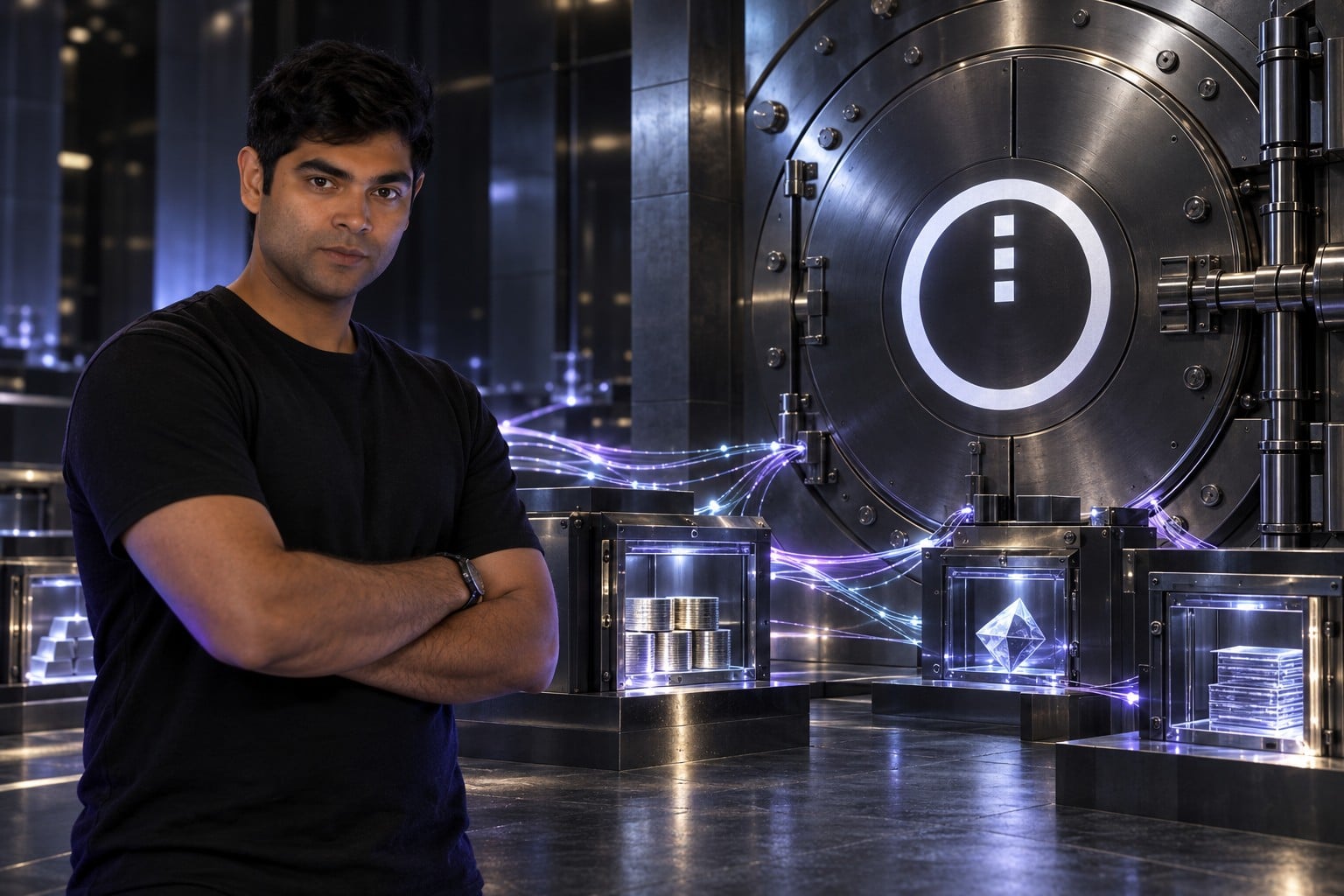
A trader with positions on different exchanges could use a shared view of their exposure to seek margin from a lender under the Collateral Warehouse concept presented at Midnight LIVE. Vineeth, who described a background in quantitative trading, explained how the proposed system could bring assets together on Midnight while protecting details of financial positions. The presentation also covered Offer Files, a way to share trade proposals with multiple counterparties while keeping assets on Midnight until execution.
Collateral Warehouse and Cross-Market Positions
Collateral Warehouse is intended to provide a common environment for managing assets used in financial activity. Vineeth connected the concept to Nightmode, Midnight’s approach to bringing its privacy features to users of other blockchain networks. He focused on cross-margining, an approach that considers positions together when assessing the collateral needed to support them. Opposing positions can offset some market exposure, which may affect how a lender evaluates a trader’s overall risk.
As an example, Vineeth described a trader with a long Bitcoin position on Binance and a short position on Hyperliquid. Although the positions may offset each other, the trader currently has to provide margin on both platforms separately. Under the model he outlined, the trader could disclose selected information about the combined exposure without making every position public. A lender could use that information when considering margin terms.
Offer Files and Atomic Settlement
Vineeth described a second use for assets held on Midnight: sharing a trade proposal with several counterparties through an Offer File. In his example, a trader looking to exchange $1,000 worth of ETH for USDT could distribute the offer to multiple venues while retaining control of the assets on Midnight. The first counterparty to accept the offer would execute the trade. The exchange would settle atomically, with both sides completed in a single transaction.
Midnight has separately described Offer Files as a way to share proposals through channels such as email, messaging apps and forums. During the presentation, Vineeth also addressed the effect of latency on trading prices, as market makers need to withdraw or adjust offers when market conditions change. He estimated that at one second of latency he might quote a price around 10 basis points wider than on a centralized exchange, weighing that difference against the benefit of retaining custody of his assets.
[NEWSBREAK]
Different Settlement Requirements
During the discussion, a participant suggested that Collateral Warehouse could contain separate environments, described as “rooms,” for users with different settlement and access requirements. One room could accommodate participants seeking immediate finality, while another could serve those willing to settle at the end of the day. A separate environment for regulated banks was also raised as a possibility.
Midnight has presented a separate Collateral Warehouse demonstration showing collateral moving from a public Ethereum account into a shielded environment on Midnight. In that demonstration, balances, token amounts and transfers between identities remain private. Withdrawn collateral returns to a public address selected by the user.