Quantova Proposes Post-Quantum Signature Checks for Cardano Smart Contracts
The CIP-0206 candidate would add ML-DSA and SLH-DSA verification functions to Plutus. The proposal remains under review, and implementation would require a hard fork.
By SongMarketCap
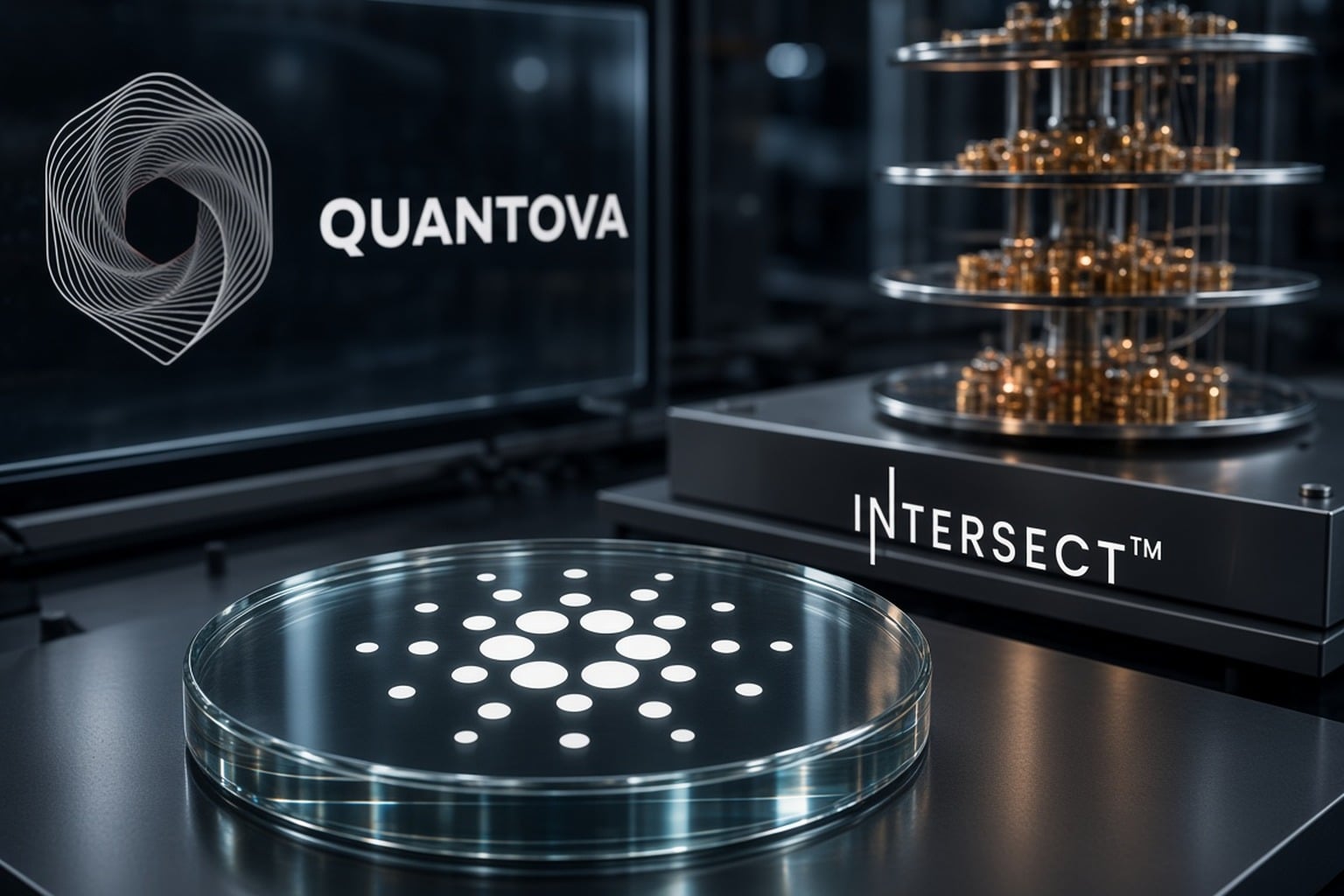
Quantova don propose make dem add two post-quantum digital signature verification functions to Plutus, Cardano’s smart contract platform.
Dem submit am on October 15, and di proposal collect candidate name CIP-0206 during di Cardano Improvement Proposal review process. E still open for technical review, and dem never introduce di functions for di network yet.
Two Signature Standards for Plutus
CIP-0206 dey propose verification functions for ML-DSA and SLH-DSA, two algorithms wey U.S. National Institute of Standards and Technology don standardize as FIPS 204 and FIPS 205.
Di algorithms dey rely on different cryptographic methods. ML-DSA dey base on mathematical problems wey involve lattices, while SLH-DSA dey use hash functions. Quantova dey propose make both dey supported so that Plutus contracts fit verify signatures wey either method produce.
Each function wey dem propose go receive public key, message and signature. Smart contract fit use di result to decide whether di required signature dey valid before e carry action.
Quantova mention multisignature treasuries and blockchain bridges as some potential use cases. Di proposal concern verification inside smart contracts only; e no dey change di keys or signatures wey Cardano users currently dey use to authorize wallet transactions.
Signature Size and Performance Testing
One important consideration na how much transaction space di proposed signatures go require. According to di proposal, ML-DSA-65 signature dey occupy 3,309 bytes, with public key of about 1,952 bytes. For di SLH-DSA-SHA2-128s variant, di signature dey occupy 7,856 bytes and di public key 32 bytes.
Both signatures dey inside di transaction size limit wey dem discuss for di proposal, but dem fit chop notable share of di available space. Any increase to dat limit go be separate change to Cardano’s consensus rules.
People wey dey discuss di proposal don also share signature verification benchmarks. Quantova report about 64 microseconds for ML-DSA-65 verification and between 130 and 330 microseconds for SLH-DSA variants. Another reviewer publish separate measurements for existing Cardano cryptographic functions, including Ed25519.
Dem obtain di figures using different machines and libraries. More testing inside di Plutus environment go dey needed to establish di cost model for di proposed functions.
Quantova also provide reference code and test cases for di verification process. For October 17 update, di company report set of 31 test vectors wey cover valid signatures, modified messages and mismatched keys, among other cases.
[NEWSBREAK]
Review and a Separate Wallet Proposal
CIP-0206 dey answer question wey CPS-0027 raise about which post-quantum signature schemes dem suppose introduce as Plutus built-ins. CIP editors don invite cryptography specialists and Plutus contributors to review di proposal and im performance requirements.
Adding di functions and their cost model go require hard fork because dem dey affect di Plutus evaluator, wey concern network consensus. Di proposal assign implementation work to Cardano ledger and Plutus maintainers. Dem never announce activation date.
Separate candidate, CIP-0197, dey address post-quantum protection for HD wallets. While CIP-0206 focus on signature verification inside smart contracts, CIP-0197 dey explore approach wey involve existing wallet keys and zero-knowledge proofs.
Intersect’s Technical Steering Committee don also announce November 4 discussion on post-quantum cryptography with Input Output researchers. Di event cover di broader topic and e no list CIP-0206 as specific agenda item.