Midnight Tests AI-Assisted Monitor Across 13 Federated Operators
Deterministic rules decide when alerts are issued, while a locally hosted language model converts verified network telemetry into readable notifications.
By SongMarketCap
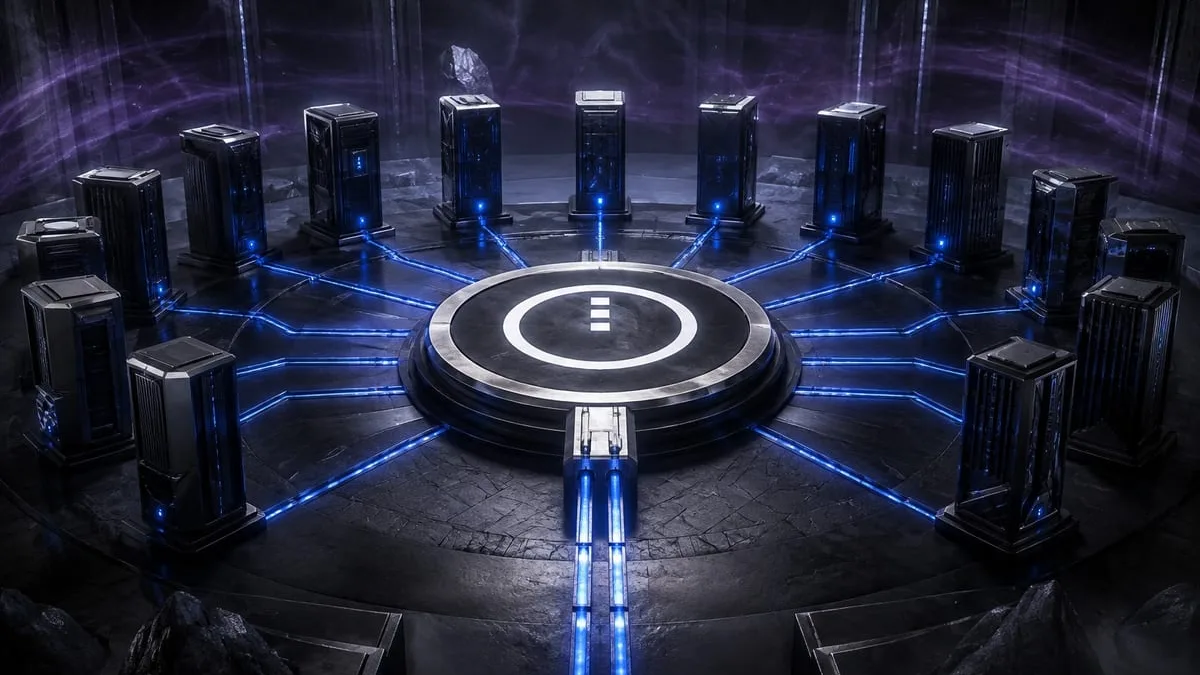
Midnight, Cardano’s privacy-focused partner chain, has demonstrated an internal AI-assisted monitoring prototype that checks network conditions every five seconds across 13 federated operators. The tool was developed after a finality stall on one of its test networks escaped the existing alert system.
Finality Stall Exposed a Monitoring Gap
During the August 5 Fireside Dev Hang, Midnight’s developer relations team explained that its previous monitoring tracked node availability and block production. It did not independently measure the difference between the latest block produced and the latest block finalized by the network.
Nodes can remain online and continue producing blocks while that gap grows. The testnet incident therefore registered as full uptime even though the network had stopped finalizing new blocks.
Midnight enables developers to build applications using zero-knowledge proofs and selective disclosure. Its current mainnet architecture uses federated node operators, including infrastructure, payments and technology companies responsible for maintaining consensus during the network’s initial phases.
The new monitor checks the 13 operators for missing nodes, delayed validators, forks, low peer counts and abnormal finality gaps. This expands visibility across the infrastructure supporting Midnight applications and the $NIGHT network.
Deterministic Rules Control Every Alert
The service receives read-only network telemetry through a WebSocket connection and reduces it into a current view of each node, including peer count, best block and finalized block data.
Fixed rules determine whether an alert should be triggered, which action tier applies and whether the condition is new or worsening. The same deterministic layer controls every validator name, number and timestamp included in a notification.
A locally hosted open model with approximately three billion parameters enters only after those decisions have been made. Its role is limited to converting approved facts into a readable alert or daily network summary.
The model cannot trigger or suppress alerts, change reported numbers, diagnose the cause of an incident or instruct an operator to restart a validator. If its output fails validation or the model becomes unavailable, the service sends a deterministic template instead.
Each alert links to a predefined operational runbook. Engineers remain responsible for investigating the event and selecting any corrective action.
Mainnet Demo Identifies MoneyGram Peer Anomaly
During the demonstration, the monitor reported that all 13 federated operators were online, with an average finality gap of 2.3 blocks and an average block time of six seconds.
The generated digest used 287 model tokens and identified one non-critical anomaly. MoneyGram’s validator had 11 active peers, below the configured threshold of 17.
The presenter attributed the lower peer count to planned maintenance. The alert therefore captured a genuine threshold breach, while its operational explanation still required human context.
The prototype also records cycles in which no alert is issued. A separate status page checks whether the telemetry feed, local model and alert delivery system are functioning, allowing operators to distinguish a healthy network from a monitor that has stopped reporting.
According to the presentation, the current setup can run on an eight-gigabyte virtual machine without a GPU for approximately $50 per month. It remains experimental, operates in observability mode and has not yet been released as open-source software.
Midnight plans to connect the tooling with future infrastructure and Terraform modules. Until it is released, the prototype remains an internal observability system that can surface consensus stalls without allowing AI to control alerts or direct operator actions affecting the $NIGHT network.