Lace Adds Keystone Air-Gapped Signing for Cardano Assets
Lace has added Keystone hardware wallet support with QR-based air-gapped signing across its browser extension and mobile app. The integration allows users to manage ADA, Cardano native tokens and NFTs while keeping transaction signing isolated from network-connected devices.
By SongMarketCap
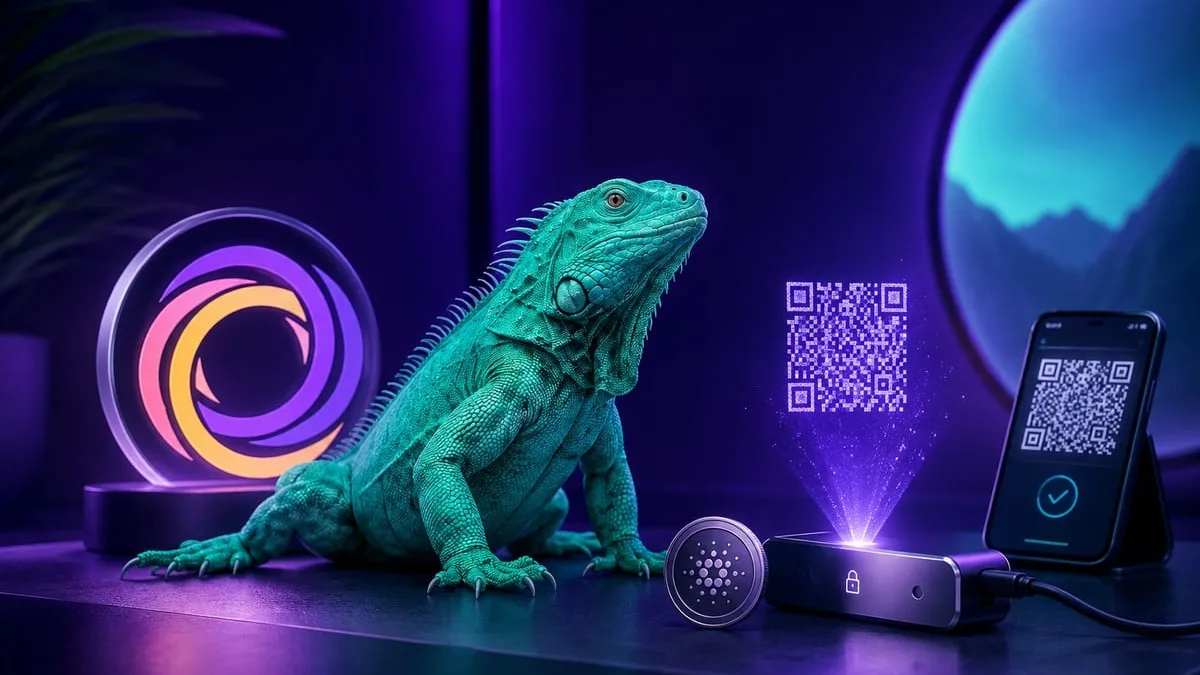
Lace has expanded its hardware wallet support with a new Keystone integration, publicly announced on August 24. Cardano users can now pair Keystone with Lace and sign transactions through QR codes without relying on USB data connections, Bluetooth, Wi-Fi or NFC.
Keystone Brings Air-Gapped QR Signing to Lace
Keystone is a hardware wallet built around an air-gapped security model designed to keep private keys separated from internet-connected devices.
Instead of maintaining a direct connection between the hardware wallet and a computer or smartphone, Lace and Keystone exchange the information required for transaction signing through QR codes. Users prepare a transaction in Lace, review and sign it on the Keystone device, then return the signed data through the QR workflow.
According to Lace, the signing process requires no USB data connection, Bluetooth, Wi-Fi or NFC.
The integration works with both the Lace browser extension and mobile application. Browser users need a webcam to scan the QR codes used during setup and transaction signing, while the mobile workflow uses the phone's camera.
Lace Supports ADA, Native Tokens and NFTs Through Keystone
Keystone confirmed that the integration supports management of ADA, Cardano native tokens and NFTs through Lace.
Users need Keystone firmware version 3.0.4 or later. The firmware release, published on August 12, added support for managing Cardano and Bitcoin assets through Lace. Lace instructs users to install the latest version of its browser extension or mobile application, without specifying an official minimum Lace version.
Keystone becomes the fourth hardware wallet option supported by Lace, joining Ledger, Trezor and SeedSigner. The lineup gives users a choice between conventional connected hardware wallets and air-gapped signing architectures.
Lace itself provides Cardano asset management, staking, governance and decentralized application access. However, the Keystone integration announcement does not specifically confirm staking, governance signing or DApp transaction signing through the Keystone QR workflow.
Lace Expands Its Self-Custody Options
The Keystone integration follows Lace's earlier addition of SeedSigner, extending the wallet's support for security models that keep signing devices physically isolated from network-connected hardware.
Keystone also offers alternative approaches to seed generation. Its hardware uses random number generation across three secure element chips, while users can generate their own entropy manually with physical dice rolls.
For existing Keystone users, the integration adds Lace as another interface for managing Cardano assets while retaining QR-based hardware signing. For Lace, the release expands self-custody beyond additional wallet features by giving users more choice over how their private keys remain isolated and how transactions are physically authorized.