Sommet Labs Share Details About Abyss Plans for Private DeFi Trading Through Midnight
The proposed brokerage go bring positions across lending and trading protocols under one account. E privacy design include separate Hyperliquid subaccounts, followed by potential shared account for multiple users.
By SongMarketCap
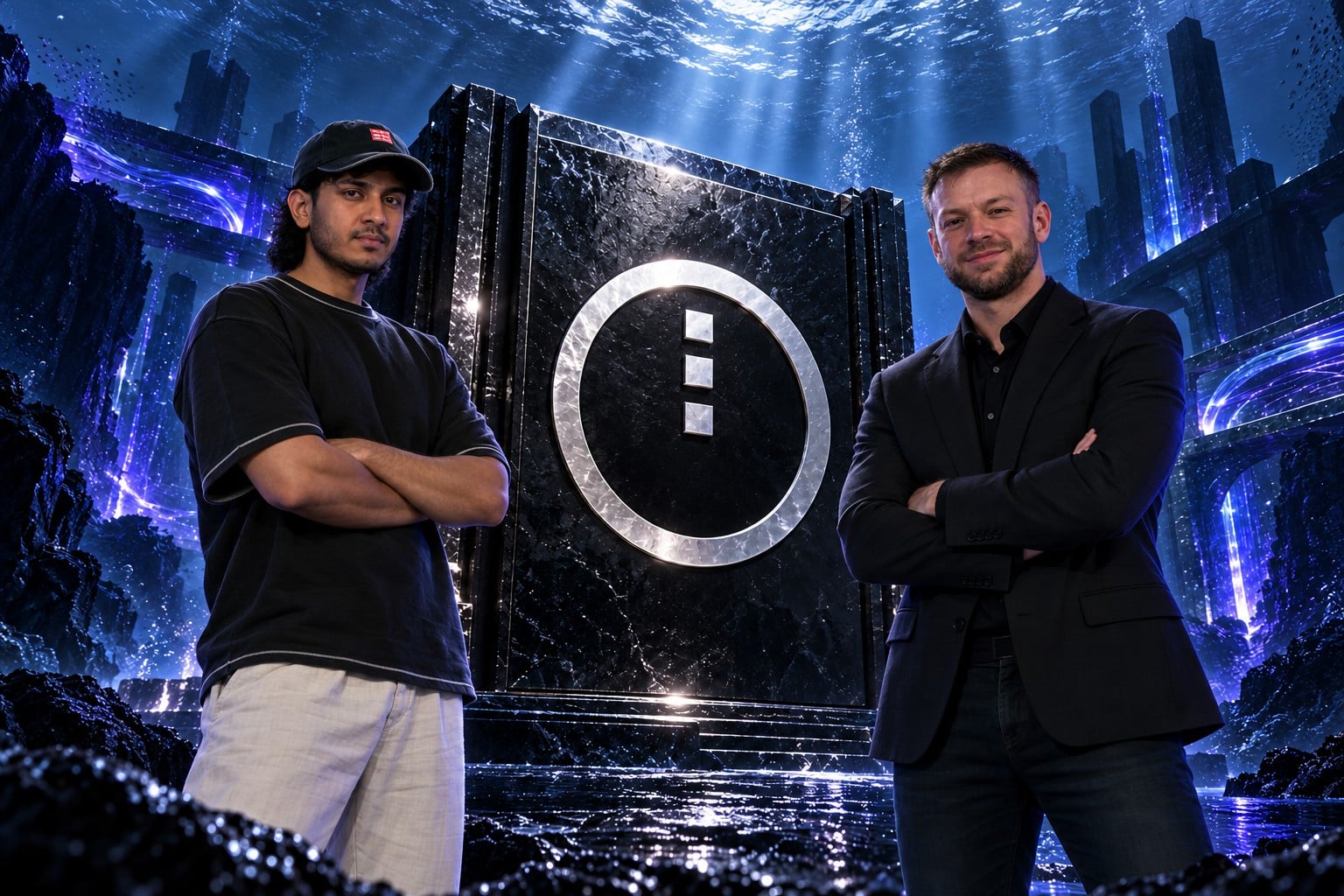
Sommet Labs don present im plans for Abyss, one platform wey dem design to coordinate DeFi positions across markets while dem dey use Midnight to protect the connection between users and their trading activity. For new recording wey dem publish from Midnight LIVE for TOKEN2049 for Singapore, co-founder Sushant Kurren explain the proposed architecture, report progress for test-network swaps, and answer questions about liquidity and processing speed. E appear together with CTO Guido De Vita.
Abyss Plans One Account for Positions Across DeFi
Sommet Labs describe Abyss as onchain prime brokerage, one system wey dem intend make e bring trading, collateral, and financing across existing protocols into one single account. Kurren use example of trader wey get collateral for Aave and open position for Hyperliquid. To add margin, that trader fit need withdraw funds or borrow against the collateral, convert assets, and transfer dem go the trading platform. Abyss wan connect these operations across lending markets, exchanges, and other DeFi products.
Kurren compare the experience wey dem intend with traditional brokerage account, where different financial instruments fit dey managed inside common margin framework. Professional market makers don already build portfolio management systems for their own use, e explain, while Abyss wan make similar coordination available through one shared product. The team don begin onboard market makers, and their feedback include request to protect information about their positions and the funds wey dey available to support dem.
How Midnight Go Protect Abyss Users for Hyperliquid
The first privacy phase go create separate Hyperliquid subaccount for each Abyss account. User go deposit into Abyss on Midnight, and contracts for Midnight go direct contracts for Hyperliquid’s EVM environment to manage the corresponding account and im funding. The aim na to shield the connection between the original wallet and the trading account. Kurren clarify say the trades demself go still remain public: Abyss go try protect who dey behind activity for Hyperliquid, while the exchange order book go still dey visible.
Later phase go put multiple users’ positions under one shared Abyss account for Hyperliquid. Kurren connect that design to growth of anonymity pool, one group of participants wey their activity go hard to distinguish from outside. E argue say giving deposited capital uses like trading and collateral management fit encourage participation for the pool. In response to one judge question, e add say Abyss go rely on liquidity for existing markets like Aave and Hyperliquid; the shared privacy pool go require im own gradual effort to attract capital and participants.
[NEWSBREAK]
Abyss Report Testnet Progress and Examine Processing Speed
At the time of the presentation, Kurren report say the prime brokerage infrastructure don deploy for Base but e never publicly launch, as the team still dey work on privacy. Separate product, Abyss RFQ, dey available for Midnight’s Stagenet for shielded and unshielded token swaps. RFQ mean request for quote: users go obtain trade offers from participants wey dem dey call solvers. The system support multiple solvers, and market makers fit connect using the project developer tools.
The team also develop Ethereum-connected private swap flow with Sig Network. Kurren describe operation wey dem route go Midnight, where the swap dey happen through Abyss before assets return go Ethereum wallet wey user select. E report say the flow dey run across Midnight Stagenet and Ethereum’s Sepolia test network, and e mention Solana and other EVM networks as possible extensions.
During the judges’ questions, Kurren identify processing speed as issue wey the team dey investigate. E report say Stagenet transaction take more than 60 seconds, including proof generation and execution. To address that constraint, Sommet Labs dey consider application-specific chain or Layer 2 wey go settle to Midnight, potentially using EVM environment. The team never announce final architecture or public launch date for the broader brokerage platform.