WEA Plans Private Stablecoin Payments With Midnight
WEA’s payment model lets shoppers spend stablecoins while merchants receive yen through existing checkout systems. The company is targeting lower fees and faster processing as it prepares for commercial expansion in Japan.
By SongMarketCap
Updated:
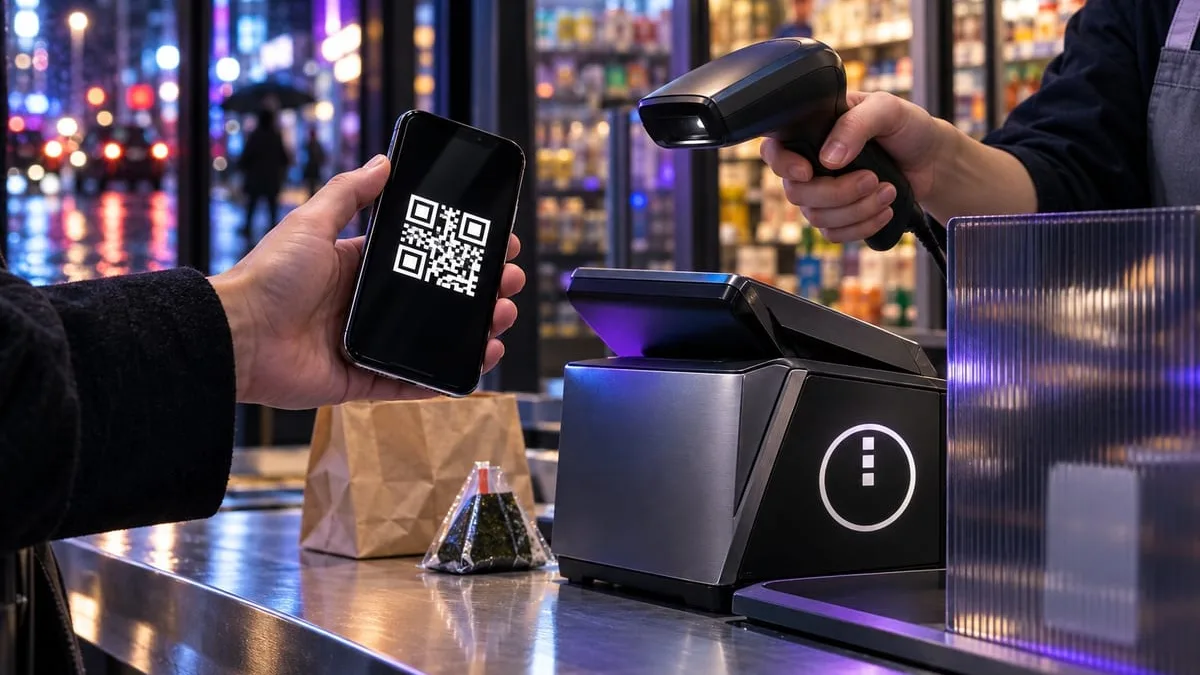
WEA Japan outlined plans to use Midnight to protect merchant settlement and sales data at Midnight Cafe during TOKEN2049 in Singapore. CEO Yoshimoto Bansho presented the proposed integration following payment pilots at Haneda Airport and a Lawson convenience store.
From Haneda Airport to Lawson Checkout
WEA develops technology linking crypto wallets and stablecoins to retail point-of-sale systems. Its Japanese payment partner, NETSTARS, operates StarPay, which allows merchants to accept multiple payment methods.
At Tokyo’s Haneda Airport Terminal 3, a pilot launched in January 2026 let travelers pay with USDC by displaying a wallet QR code for the store to scan. Merchants received yen without having to manage crypto assets.
On August 17, NETSTARS announced the completion of a trial at the Lawson Gate City Osaki Atrium store. Stablecoin Pay was connected to the existing checkout system, supporting multiple blockchain networks, dollar stablecoins and the yen-pegged JPYC. The trial assessed processing speed, error handling and the effect on store operations.
Midnight Privacy for Merchant Data
Bansho described privacy as a business requirement for retailers, whose settlement and sales records contain commercially sensitive information.
Midnight is a blockchain for applications with programmable privacy, connected to the wider Cardano ecosystem. It allows applications to verify conditions while limiting disclosure of the underlying data. WEA plans to use those capabilities to protect merchant information within its payment process.
The completed trials used existing payment infrastructure and networks including Solana, Morph and Polygon. Midnight integration remains a planned development.
Charles Hoskinson requested a follow-up discussion with WEA’s team about its technology and business model, with questions covering everyday purchases and yen-denominated stablecoins.
Lower Fees and Faster Stablecoin Checkout
Bansho compared card fees of approximately 3% with a fee below 1% in WEA’s proposed model. Merchants could retain part of the savings and offer the rest through discounts or cashback. He suggested a 1% customer incentive to encourage stablecoin payments.
Checkout speed remains a development priority. According to Bansho, processing took more than 10 seconds in the trials, which he described as too slow for retailers. The team aims to reduce that delay and simplify the wallet experience so shoppers do not have to select a blockchain network manually.
Bansho said commercial expansion was planned from fall 2026. WEA’s target is to enable stablecoin payments at 36,000 terminals by 2028.