Open Food Chain Uses Cardano for Kraft Heinz and Interfood
The platform connects food supply chain claims with supporting certificates and origin records, making them accessible through digital product passports on packaging.
By SongMarketCap
Updated:
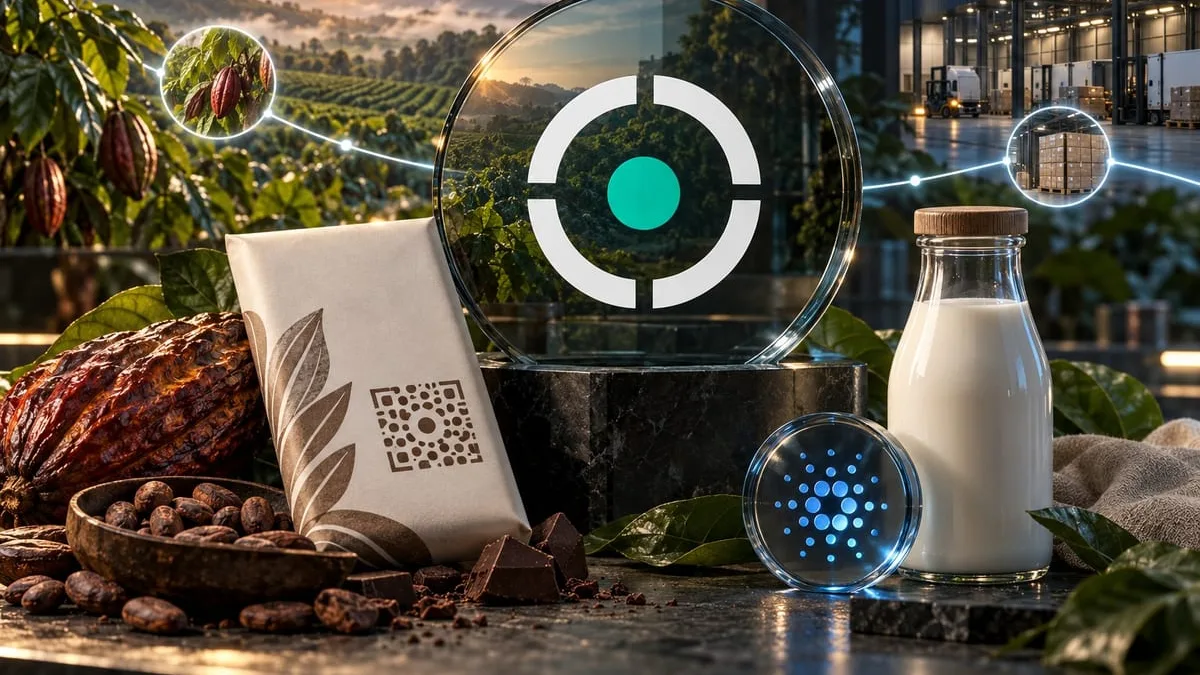
Open Food Chain is working with Kraft Heinz and Interfood through a platform that uses Cardano to anchor verifiable food supply chain records. A September 30 case study from the Cardano Foundation details the network selection and early shopper engagement measured at chocolate producer Chocolatemakers.
Kraft Heinz and Interfood’s Roles
The collaboration spans consumer brands and industrial food supply. Kraft Heinz brings its presence in packaged food, while Interfood supplies dairy ingredients and solutions to food and beverage manufacturers worldwide.
Open Food Chain, founded in Amsterdam in 2017, connects producers, processors, distributors, retailers, and consumers through traceability infrastructure. The company identifies both businesses among its collaborators and reports production applications across cocoa, olive oil, fish, and juice.
Why Open Food Chain Chose Cardano
The team previously developed its own blockchain infrastructure before choosing Cardano. According to the Foundation, its decision centered on transaction costs suitable for larger volumes, rigorous development practices, decentralization, the UTxO model, and community governance.
The team cited UTxO accounting as a mechanism for preventing the same recorded certified volume from being used twice. Decentralization also informed the choice of infrastructure shared by independent food companies.
Published claims are anchored on Cardano and connected to their supporting evidence. A shopper scans a QR code to explore product origins, supply chain participants, and certifications in a browser, without installing an application or creating an account.
Each claim identifies its scope, review status, and responsible organization. Evidence may be customer-declared, certificate-based, or reviewed by a third party. Separate public, business-buyer, and internal views allow confidential supplier information to remain outside the consumer passport.
Brands and shoppers do not need to buy or hold ADA to use the product. Cardano’s network transaction fees remain denominated in ADA, with blockchain operations kept behind the user interface.
Chocolatemakers Reports a 10% Scan Rate
Chocolatemakers used existing cocoa sourcing records, certificates, and supplier documentation to build passports accessible from its chocolate packaging. Open Food Chain describes an implementation that required no new business systems.
The Cardano Foundation reports that one in ten shoppers scanned the QR code in the initial retail implementation involving chocolate from Peru. Those who opened the product story spent an average of 42 seconds exploring it.
Chocolatemakers founder Rodney Nikkels described the benefit as giving business buyers and consumers “one single place to check our evidence.”
The passports support reviewed updates when evidence or product conditions change, while preserving earlier versions. For Chocolatemakers, sourcing documentation previously dispersed across emails, certificates, and spreadsheets is now connected to the product and accessible at the point of purchase.