Midnight Hackathon Projects Show How to Use Private Web Data and Check Credentials
Two projects wey dem present after Hack Buenos Aires show how Midnight applications fit work with real-world information while dem still limit exposure of private data. One connect cryptographically proven HTTPS data to Compact contracts, while KEEP use mobile credentials wey remain under the holder control.
By SongMarketCap
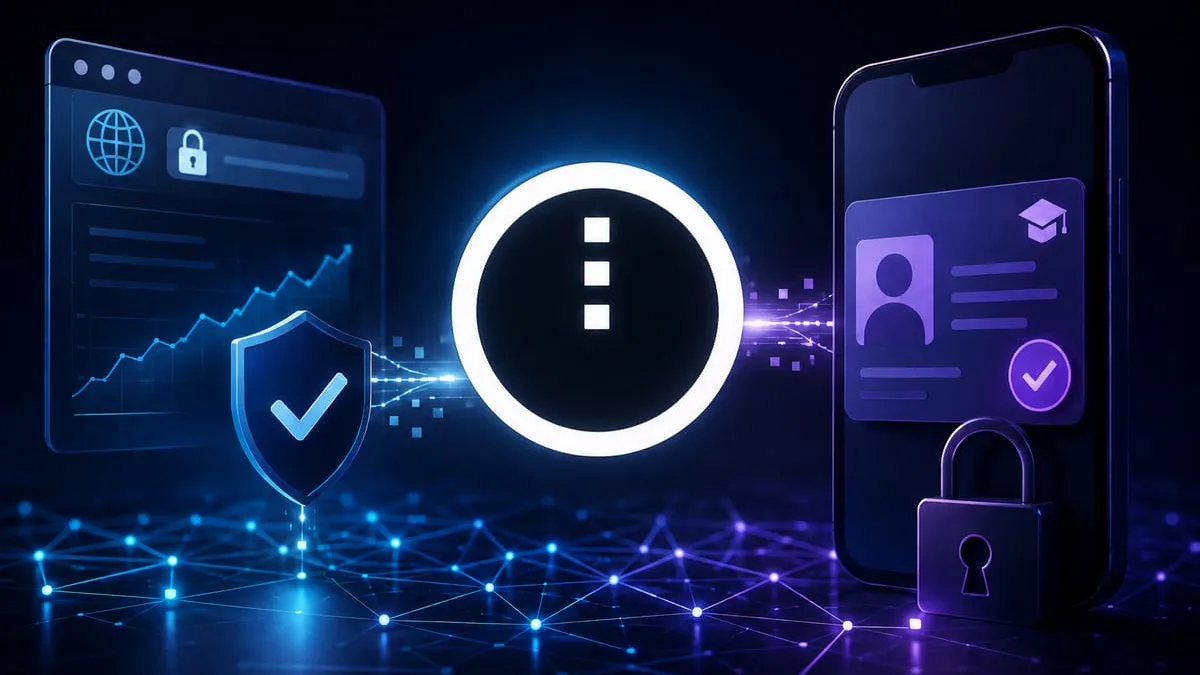
Developers from the Midnight hackathon for Buenos Aires present two working privacy prototypes wey dem build around external data and digital credentials.
The first one combine ZK Fetch and Reclaim attestations with Midnight Compact to confirm where web data start from. KEEP follow another road through Ward, a mobile application wey dem design to issue and validate credentials without transferring the holder full personal record.
ZK Fetch Bring Proven Web Data Enter Compact
The first project address one common wahala when smart contracts dey rely on information wey dem retrieve from external APIs.
HTTPS dey secure communication between client and server, but the contract wey receive the information no be part of the original connection. Because of that, the developers use ZK Fetch and Reclaim Protocol to create cryptographic evidence say the HTTPS interaction happen with the claimed source.
Reclaim proof system and Midnight Compact no dey directly compatible, so the team add one notary layer between the two. Notaries go check the proof and sign am, while one Schnorr signature implementation inside Compact require confirmation from at least two notaries before the information fit enter as contract input.
Dem demonstrate the architecture with Strava data. Two accounts submit running results of approximately 3.5 kilometers and 15 kilometers, allow the application to determine winner without making the broader dataset public.
The team talk say the external proof process take around three to four seconds, followed by the normal time wey Midnight transaction dey require. The Compact implementation still be MVP and dem plan further refactoring.
KEEP Store Credentials for the Holder Device
KEEP apply privacy to credentials wey institutions like universities, schools or public bodies dey issue.
Ward, the mobile application, support both holder and verifier roles. Instead make personal records scatter across multiple systems, the credential remain for the user phone and the holder fit disclose only the information wey necessary for one specific check.
The system use Merkle tree for selective disclosure, allow one element of a credential to show while e still preserve cryptographic integrity. The developers also add Schnorr signatures and Capacity Exchange for sponsored transactions wey dem intend to reduce the blockchain complexity wey end users go see.
For the demo, one phone act as the verifier and display one QR challenge, while another phone hold the credential. After the holder scan the challenge, the process run through Midnight and return confirmation say the credential valid.
The team report processing time of roughly 20 seconds. The verifier receive the result without receiving the holder complete credential record.
Two Privacy Prototypes Target Different Data Problems
The two projects dey address different sources of information.
The ZK Fetch implementation focus on data wey dey come from existing web services, give Compact contracts one method to confirm say external claim come from the expected HTTPS source.
KEEP focus on credentials wey dem issue directly to individuals, allow the holder to keep the record locally and disclose only wetin verifier need.
Both still dey hackathon stage. The KEEP team talk say their 24-hour build no fit fully decentralize and e currently use one Capacity Exchange node wey centralized to some degree. According to the developers, that node no get the holder key wey dem need to sign the user Midnight transaction.
The demonstrations leave Midnight with two distinct working prototypes: one fit pass proven HTTPS information enter Compact contract, while the other fit issue credential to mobile device and confirm claim without handing the verifier the complete personal record.