Intersect Reports Four Cardano Node Implementations Have Produced Mainnet Blocks
Amaru, the Rust implementation developed by PRAGMA, had produced 57 blocks by November 10, five days after a release enabled it to produce blocks on mainnet.
By SongMarketCap
Updated:
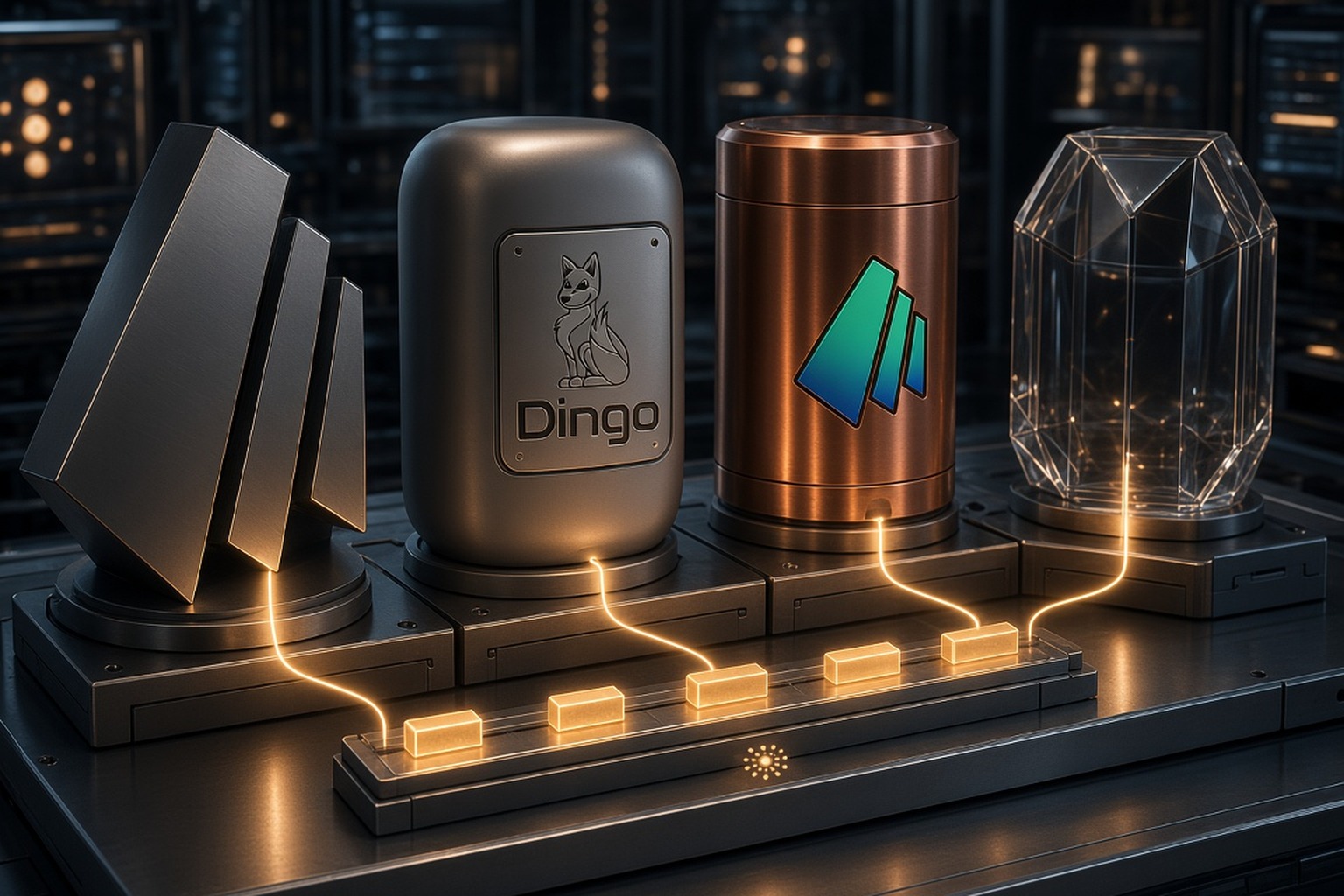
Four node implementations have produced blocks on Cardano mainnet, according to the November 10 minutes of Intersect’s Hard Fork Working Group. The group listed Amaru, Dingo, and cardano-bean alongside cardano-node, the reference implementation written in Haskell.
Amaru and Dingo Move Into Mainnet Block Production
Amaru’s November 5 release enabled stake pool operators using the Rust client to produce blocks on mainnet. The working group subsequently recorded 57 blocks produced by Amaru and projected about 20 per day over the following weeks.
Dingo, a Go implementation developed by Blink Labs, reached an earlier milestone in September when it validated blocks accepted by the network. Validation checks whether a block follows the protocol rules. The November minutes put Dingo on the list of implementations that have also produced blocks themselves. The working group also listed cardano-bean among mainnet block producers.
Tracking Which Software Produced a Block
Stake pool operators use node software to validate transactions and produce blocks when their pool is selected. Implementations can be written in different languages, but they must apply the same protocol rules so that a block produced by one client can be accepted by nodes running another.
The working group pointed to KleioScan for a breakdown of mainnet block production by implementation. A separate proposal, provisionally numbered CIP-0203, would establish a registry of block producer identifiers. The proposal is under review and would standardize how implementations identify themselves in the blocks they produce.
[NEWSBREAK]
Node Teams Meet as Dijkstra Testing Continues
The Amaru team organized the Node Diversity Workshop in London on November 12 and 13. The workshop took place as the working group was tracking software readiness for Dijkstra, Cardano’s next protocol upgrade. DijkstraNet, the public test network for the upgrade, had already entered the Dijkstra era on November 2.
The working group expects version 11.3 of the reference node to add Linear Leios and changes to the minimum fee rules. If focused testing finds no serious issues, the working group’s release plan allows that build to advance to version 12.0 as a candidate for the Dijkstra hard fork.