Indigo Still Dey Keep Tokenized U.S. Treasuries for im Cardano Roadmap
Indigo Foundation director Eric Coley don confirm say tokenized U.S. Treasury bills still dey inside the protocol plan for Cardano. Indigo V3 now dey provide the collateral and governance framework wey dem need to evaluate that kind assets, even though no RWA collateral market dey active for now.
By SongMarketCap
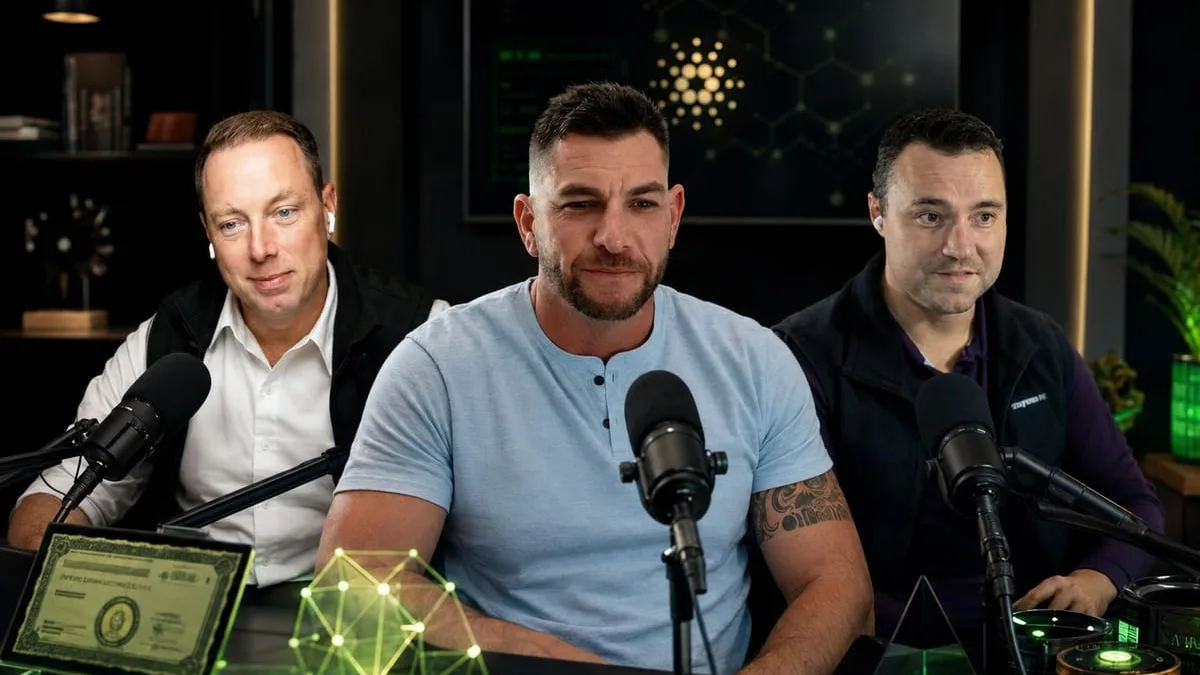
Eric Coley, director of the Indigo Foundation and one of the protocol’s core contributors, don reaffirm for one new Dose of Alpha interview say Indigo still intend to pursue tokenized U.S. Treasury bills for Cardano.
The concept no dey depend again on to create brand new collateral model. Indigo V3 don expand the protocol beyond ADA-only backing, e allow make dem propose additional Cardano native assets with their own market limits, collateral requirements and risk parameters.
Indigo V3 Dey Create Road for RWA Collateral
Indigo na Cardano decentralized finance protocol for synthetic assets. Users fit lock collateral inside debt positions and mint iAssets like iUSD, so dem fit get on-chain exposure to external assets without comot from the Cardano ecosystem.
The Indigo V3 architecture allow individual iAsset markets to accept different approved collateral types. Each asset fit get parameters wey dem configure around im liquidity, volatility and risk profile.
Coley explain say this structure fit later accommodate tokenized real-world assets. E pinpoint U.S. Treasury bills as product wey Indigo still plan to bring enter Cardano.
Token wey Treasury back no go just enter Indigo automatically. E go first pass through the protocol governance process, where $INDY participants go decide whether dem fit use am and which controls go apply.
Tokenized Treasuries Still Need Issuer and Liquidity
Earlier, one Indigo Innovation Proposal wey get tokenized RWA component no receive the approval wey Cardano budget process require. According to Coley, that result no end the protocol work on the concept.
The remaining requirements pass Indigo smart contracts. Tokenized Treasury product go need issuer, legally compliant structure wey connect the token to the underlying securities, reliable price data and enough Cardano-native liquidity.
Oracle coverage go still dey necessary for collateral valuation and liquidation controls. After dem establish those elements, $INDY stakers go still need approve the asset and define im collateral ratio, market limits and other risk parameters.
So Indigo V3 dey provide route to evaluate RWA collateral, but e no be the thing wey go create or issue tokenized Treasury bills by itself.
October Crash Test Indigo Liquidation Design
Coley still point to how Indigo perform during the October 10, 2025 crypto market crash, when more than $19 billion in leveraged positions liquidate across the wider market within 24 hours.
Indigo dey use stability pools to settle debt from positions wey fall below their required collateral level. Dem dey burn corresponding iAssets from the pool, while depositors dey receive share of the liquidated collateral.
Coley report say Indigo remain solvent throughout the event and e no accumulate bad debt. E also talk say the protocol never record bad debt since launch. The interview no include separate public audit or incident report to support those figures, so the result dey attributed to im account.
V3 dey give Indigo the technical and governance process wey dem need to assess additional collateral classes. To bring U.S. Treasury bills enter that framework still dey depend on issuer, legal structure, oracle coverage, Cardano liquidity and DAO approval. Until those components dey in place, tokenized Treasuries remain defined development target, no be active Indigo market.