Gregaard: Cardano Needs More Transactions to Sustain Its Network
The Cardano Foundation CEO tied the network’s long-term economics to transaction fees and called for user demand to shape development priorities earlier.
By SongMarketCap
Updated:
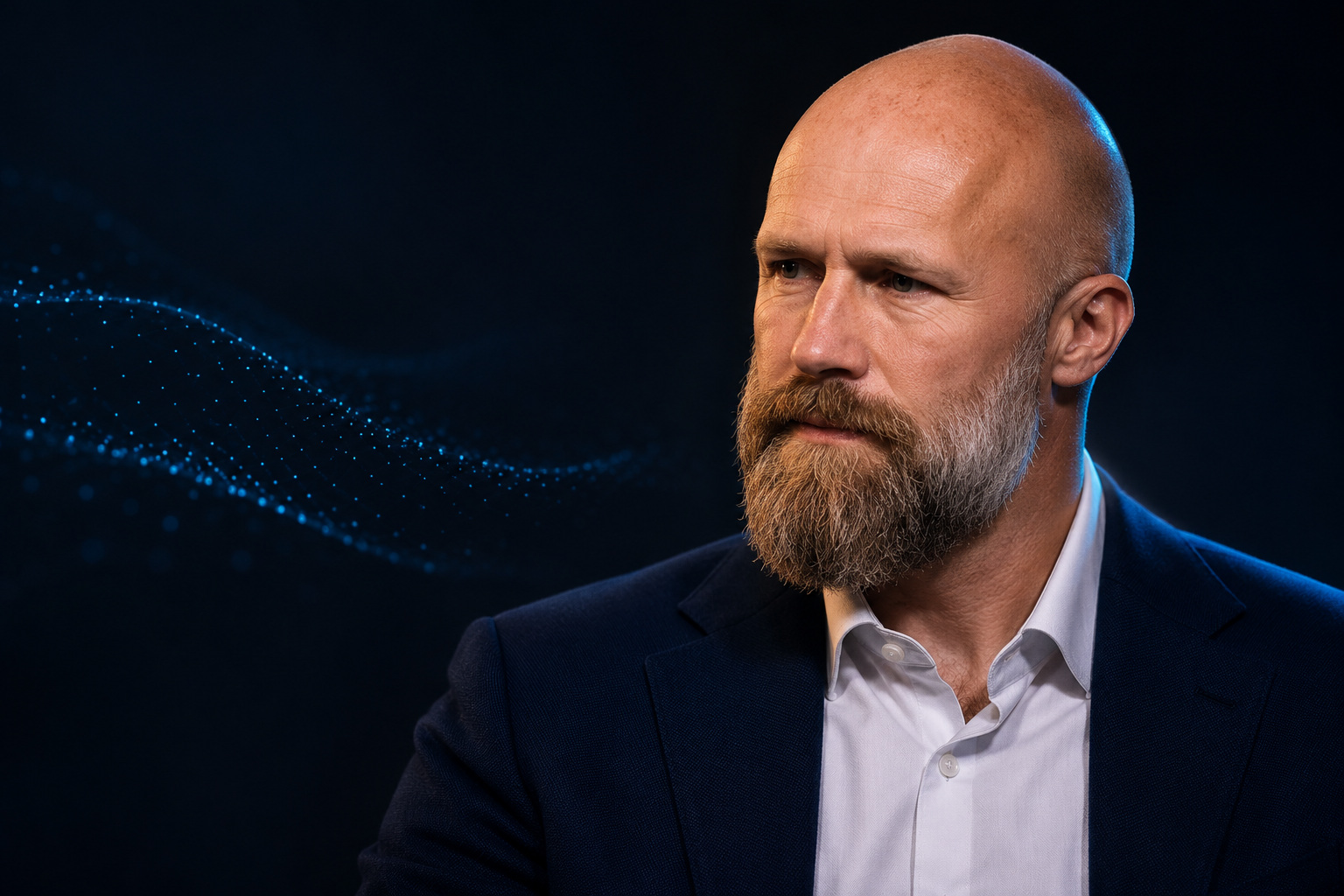
Frederik Gregaard said Cardano needs more transactions to become economically self-sustaining. He spoke on November 19, 2026, during the Cardano Foundation’s X Space, “Cardano: Let’s Talk About It.” Gregaard called for activity from a wider range of users and applications, with the long-term goal of generating enough revenue to support stake pool operators, delegator rewards, and continued research.
What transaction fees contribute
Cardano combines transaction fees collected during each epoch with a portion of the remaining ADA reserves. The protocol directs part of that total to the treasury and uses the rest for staking rewards. Because the reserve contribution is calculated as a share of the remaining balance, it falls over time as the reserves shrink. Cardano’s monetary policy is designed for fees to make up more of the difference as network activity grows.
Gregaard drew attention to what generates those fees. He cited trading bots transacting with one another as an example of activity concentrated in a single use case. He wants Cardano to serve a wider mix of commercial and public needs. Chief Financial Officer Stephen Wood pointed to monitoring network activity and examining protocol parameters as part of the work toward long-term sustainability.
Bringing users into the development process earlier
Gregaard described Cardano’s earlier development as research-led. Research informed engineering, and commercial applications followed when teams found a use for what had been built. He proposed starting more of that work with a problem a business or an individual needs solved, then bringing it to researchers and engineers.
That proposal comes as more independent teams take on work to maintain and develop Cardano. Gregaard pointed to Intersect’s committees as a way to distribute development work. He also emphasized coordination among teams building different Cardano node implementations, since their software must follow the same network rules.
From supply chains to institutional custody
Gregaard pointed to Blockforce as an example of businesses already using Cardano. The traceability platform keeps supply-chain records on a network with restricted access and anchors cryptographic proofs of those records to Cardano. An auditor or regulator can use those proofs to verify records while the underlying business data stays private.
For financial applications, Gregaard discussed programmable tokens under CIP-0113 alongside Fireblocks’ planned support for Cardano native tokens. The standard gives issuers a way to enforce rules such as who can receive a token. The Fireblocks integration, expected by March 2027, would let its institutional clients hold and transfer supported tokens through their existing custody infrastructure. Gregaard said Fireblocks wants to work with the Foundation to reach prospective customers.
He also discussed Midnight as a separate network for applications that need privacy. The Foundation has helped with exchange integrations for NIGHT, he said, distinguishing activity involving the Cardano-issued token from application activity on Midnight itself.
[NEWSBREAK]
How the Foundation plans to deploy its resources
Gregaard said the Foundation plans to redirect staff capacity freed by automating internal work toward business development. Across the wider ecosystem, he called for a shared commercial roadmap and a clearer allocation of funding among the organizations carrying out that work.