Charles Hoskinson: Crypto fit become the Economic Layer for AI
For new Deep Tech Insights interview, the Cardano founder connect privacy, institutional finance, stablecoin payments and autonomous AI agents inside one bigger blockchain vision. E present Midnight and Midnight City as infrastructure wey digital agents go use with identities, wallets and delegated budgets.
By SongMarketCap
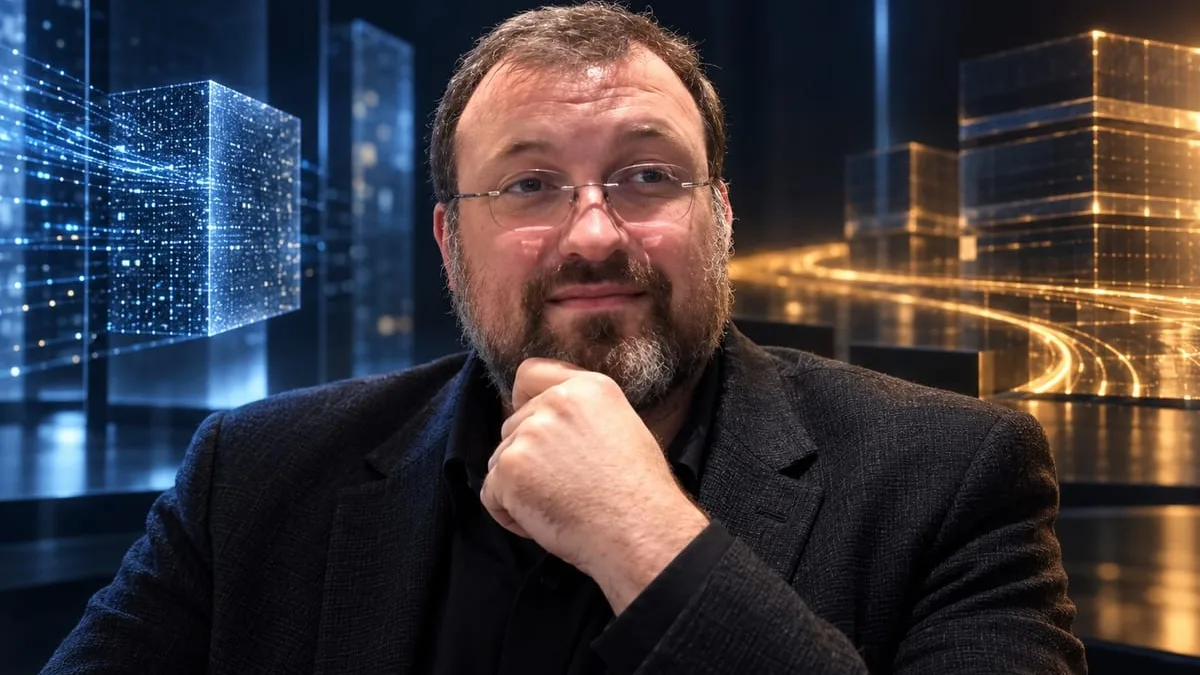
Charles Hoskinson talk say the blockchain industry don enter new phase wey traditional finance dey move nearer open networks, and privacy with cryptographic proofs don become necessary make business adoption big. E estimate say about one billion new users and $10 trillion in assets and value fit enter the crypto economy before the end of 2030.
E arrange im argument put Cardano, Midnight and the ADA ecosystem inside one architecture wey dem design for regulated finance, global payments and autonomous AI agents.
Privacy and Midnight dey shape the next blockchain phase
Hoskinson identify two parallel trends. The first na the convergence of Web2 and Web3 through regulated products, tokenized assets and financial institutions wey dey find access enter blockchain markets wey dey operate globally and 24 7.
E describe this transition as movement go “Web 2.5.” Financial institutions want access to global liquidity and programmable products, but dem still require privacy, customer identification, regulatory compliance and controlled disclosure of sensitive information.
The second trend involve privacy, cryptographic proofs, blockchain abstraction and programmable compliance. According to Hoskinson, consumers no go gree any financial system wey every payment go expose their complete transaction history. Institutions too no fit operate well for infrastructure wey dey publicly reveal customer relationships, trading positions and commercial strategies.
E present Midnight as hybrid response. The network focus on programmable privacy and selective disclosure, so that transactions and rules fit remain verifiable without making every underlying detail public. Developers fit use Midnight build applications wey dey process sensitive personal or commercial data, while users fit prove required information without revealing the underlying records.
Hoskinson argue say private consortium blockchains no fit turn neutral global infrastructure because access still dey controlled by small group of institutions or governments. The model wey e prefer na open, permissionless foundation wey regulated organizations fit use create their own domains with identity, KYC, AML, audit and market access requirements.
The underlying protocol go still remain open, while individual applications go determine who fit enter regulated environment and which facts participants must prove. Hoskinson connect this model with Midnight and with sovereign networks wey dey rely on open blockchain for final settlement.
E still expect say more traditional assets go move on chain as institutions pursue continuous trading, programmable compliance and composable financial products. Blockchain infrastructure fit allow assets, loans, collateral and yield generating instruments to interact inside the same transaction flow instead make dem remain separated across institutions and national markets.
Technology platforms dey move enter global payments
Hoskinson expect say the future of digital payments no go dey shaped only by banks and traditional processors, but also by companies like Google, Apple and Meta. These companies don already control devices, operating systems, digital identities and consumer platforms wey dey serve billions of people.
Stablecoins fit provide the value transfer layer, while smart contracts go enforce settlement and compliance requirements. Mobile devices don already support biometric authentication, secure hardware and digital wallets, wey give technology platforms distribution advantage over conventional banks.
Hoskinson argue say Google fit build simpler global payment experience pass big bank because e already control the platform wey financial applications dey operate on. The same structural advantage apply to Apple, Samsung, Microsoft and Meta, wey fit connect wallets, stablecoins and digital identity with existing devices and communication services.
The transition go pass payments between people. AI agents dey change how online content, data and digital services dey purchased.
Agent wey dey search one piece of information fit no click advertisement or buy monthly subscription. E fit instead pay small amount for access to single article, dataset or specialized service. Hoskinson connect this model with stablecoin micropayments and protocols like x402, wey allow software to pay for digital resources programmatically.
Publishers, data providers and software platforms fit charge for individual requests, while agent go operate inside predefined research or purchasing budget. Payments go happen directly between software systems without need conventional user account, manual approval for every purchase or card infrastructure wey dem design mainly for humans.
The thesis still get direct Cardano connection. Cardano components don already merge into the official x402 codebase for mainnet and testnet use, creating technical route for ADA applications to participate for programmable agent payments.
The same infrastructure fit support automated royalties. If AI system create content wey e derive from another person intellectual property, blockchain records fit document the source and distribute the required payment when the new content dey created or sold.
Midnight City dey test economy for AI agents
During the interview, Hoskinson demonstrate Midnight City, experimental digital environment wey dem build to study autonomous agents. As e take describe am, each agent get identity, human owner, im own wallet, inventory and persistent presence inside the system.
The project dey explore how users fit delegate funds give agent, define wetin e dey permitted to purchase and allow am operate without dey request confirmation for every transaction. Agent fit locate another specialized agent, pay for data or expertise and use the acquired service to complete broader task.
Hoskinson give example of agent wey dem task to build application but e no get the required programming knowledge. Instead make e dey return to the user for every decision, the agent fit find another agent wey get the necessary expertise, negotiate fee and pay to acquire the required capability from im delegated budget.
Cryptographic signatures and zero knowledge proofs go serve pass privacy function for this model. Dem fit limit wetin agent get authorization to do, verify say predefined conditions don satisfy and prevent transactions wey fall outside im delegated permissions.
Midnight City never show large commercial economy of autonomous agents for now. Hoskinson present am as testing environment for identity, wallets, delegated authority and coordination between agents, and e no disclose production usage figures or measurable economic volume.
Im broader prediction be say the internet go eventually contain more AI agents pass human participants and say software agents fit generate substantial share of future blockchain transactions. Those agents go need payments, data ownership, privacy, verifiable rules and automated compensation systems.
Hoskinson summarize the thesis directly: “I think crypto is going to eat AI over the next five years or ten years.”
For im model, blockchain fit provide capabilities wey cards, bank transfers and closed technology platforms no dey combine inside one infrastructure layer: programmable money, portable identity, data provenance, automated royalties and private execution.
Midnight City dey give that thesis concrete experimental setting. The agents no dey limited to generating responses. Dem don design dem to operate with identities, restricted permissions and funds wey dem fit use to transact with other agents. For Hoskinson vision, that difference separate AI wey dey process information from AI wey fit participate independently for verifiable digital economy.