Cardano Decentralization Test Pass Node Count Matter
Cheeky Crypto host Nick Regan explain why multiple independent Cardano clients only fit strengthen decentralization when dem dey interpret the protocol the same way. CPS-0034 dey propose wider Plutus Core testing across current and old protocol versions.
By SongMarketCap
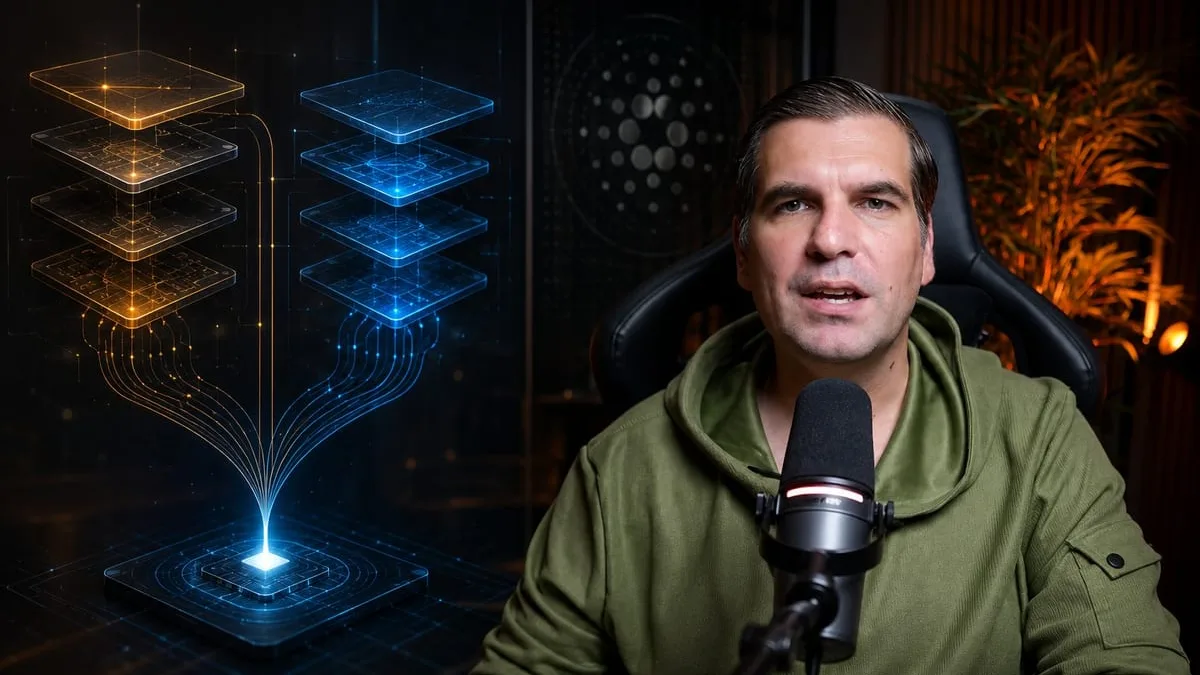
Nick Regan, co-founder and host of Cheeky Crypto, don publish 24-minute analysis about one risk wey no too show for Cardano decentralization: independently developed software fit no gree on the network rules. Cheeky Crypto na crypto analysis and education platform wey Nick and Chris Regan start for 2020.
Regan link him analysis to CPS-0034, one open Cardano Problem Statement wey dey propose expanded conformance testing for Plutus Core evaluators wey alternative Cardano node implementations dey use. The discussion pass stake pool distribution, governance participation and the number of machines wey connect to the network.
Multiple Clients No Mean Security Go Increase Automatically
Regan separate the physical distribution of one network from the distribution of the software. Cardano fit get thousands of nodes wey different people dey operate across plenty countries, but many of the infrastructure still depend on the same core node implementation.
If common implementation get consensus-critical defect, many geographically distributed nodes fit meet the same wahala at the same time. Alternative clients dey reduce that concentration because dem allow separate teams to use different programming languages, architectures and engineering decisions.
Another risk show when those implementations dey interpret the protocol differently.
One client fit accept one transaction wey another one go reject. Two Plutus evaluators fit process the same script but return different results or calculate different execution costs. Since block validity fit depend on those outcomes, disagreement between nodes fit produce chain fork instead of more resilience.
UPLC, or Untyped Plutus Core, na the execution language wey Plutus smart contracts dey compile enter. Alternative evaluator no need copy the structure of Cardano established Haskell implementation, but e must reproduce the consensus-relevant behavior wey the protocol expect.
Regan describe that requirement as need for independent agreement.
Separate codebases only dey give meaningful redundancy when dem dey consistently reach the same answer for valid inputs, edge cases and historical protocol versions.
Regan use the title “ADA Has a Decentralisation Problem” to separate this software-layer risk from the decentralization debates wey most holders dey see. Him analysis focus on preventive infrastructure work, no be say any mainnet incident dey happen now.
CPS-0034 Wan Extend Plutus Core Conformance Testing
The Plutus Core team open the proposal for public review on August 12. CIP editors later assign am the number CPS-0034 after initial review, and the technical proposal still open for feedback.
According to the CPS-0034 proposal, Cardano currently dey provide external developers about 1,000 predefined golden-file tests. These ones allow independent evaluator to execute supplied script and compare the output with the expected result.
The existing suite dey provide initial compatibility check but two limitations dey. E no expose the property-based tests wey the Plutus team dey use internally, and e cover only the latest combination of protocol version, ledger language version and cost model.
Property-based testing pass small collection of manually prepared examples. Generator fit produce hundreds or thousands of varied inputs, construct Plutus scripts from them and verify whether defined behavioral properties still hold.
This approach dey expand coverage across unusual combinations, boundary values and conditions wey no too dey show during normal activity. Na for those kinds situations independently developed implementations dey more likely show different assumptions about protocol behavior.
CPS-0034 dey propose to distribute generated test cases for portable format wey external implementations fit consume with minimal integration work. Each test fit contain the program, the inputs, the expected result and, where applicable, the expected execution budget.
Historical coverage join. Cardano don pass through multiple ledger eras, hard forks, Plutus language versions and cost model changes. Alternative node must interpret that history correctly if dem expect am to replay the chain and validate earlier blocks.
The proposal specifically focus on Plutus Core evaluator conformance. E no define complete testing framework for every networking, ledger and consensus component inside Cardano node. The relevance to node safety na because different script evaluation results fit change whether transaction or block go count as valid.
Independent Code Must Prove Consistent Behavior
CPS-0034 still get several open technical questions. Developers dey discuss how dem go distribute generated tests, how dem go report differences between expected and actual results, how dem go filter cases by protocol version and how thousands of tests fit run efficiently.
Developers wey connect to Amaru don join the public discussion already. Amaru na open-source Cardano node client wey dem write for Rust, e dey provide operators with implementation wey dem develop separate from the established Haskell cardano-node.
One Amaru contributor report say the project don already dey consume existing semantic and flat conformance suites. The feedback support broader property and version testing while e request realistic on-chain scenarios, client-neutral data formats and simple path for third parties to contribute additional cases.
Suggested approaches include structured test fixtures and tagging cases according to the protocol and language versions wey dem cover. The discussion still raise concern about implementing the generator only for Haskell because e fit create extra barrier for teams wey dey work for other languages.
Shared testing standard no go require identical source code. Each team fit keep their own architecture, programming language and development approach, while the execution behavior go still remain compatible with Cardano rules.
For ADA holders, the issue concern infrastructure resilience, no be short-term market performance. Exchanges, wallets, decentralized applications and institutional systems dey depend on different nodes to reach deterministic decisions about transactions, scripts and blocks.
If CPS-0034 produce portable, version-aware conformance suite, alternative Cardano client no go just show compatibility because e exist as separate codebase. E go fit provide reproducible evidence say independently written software dey reach the same result and execution cost across Cardano protocol history, exposing disagreements during testing before dem reach live block.