Cardano Foundation Urges SEC to Put Digital Commodity Status Into Rules
A joint letter from six blockchain organizations seeks clearer treatment of secondary market sales and safeguards for a voluntary regulatory process. The proposals would strengthen the framework behind ADA’s existing classification.
By SongMarketCap
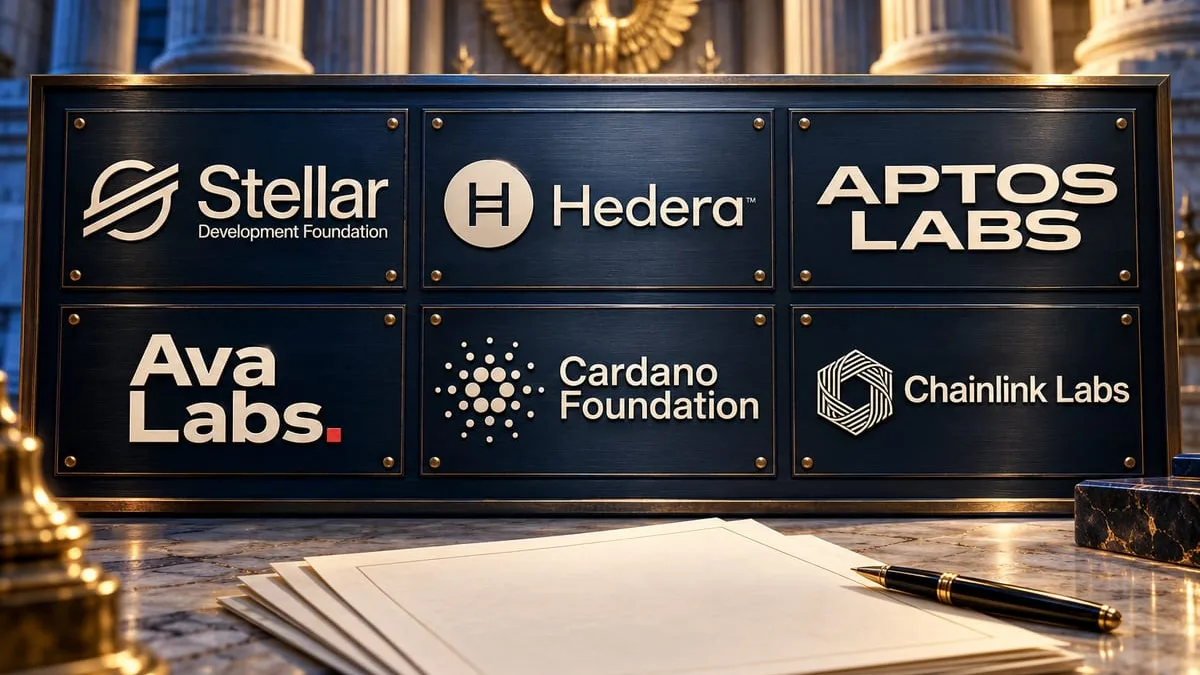
The Cardano Foundation has joined Stellar Development Foundation, Hedera, Aptos Labs, Ava Labs, and Chainlink Labs in asking the U.S. Securities and Exchange Commission to write its digital commodity classification into binding rules.
Their joint letter proposes four changes to Regulation Crypto Assets. The request builds on the SEC’s March 17, 2026, interpretation, which identified ADA among examples of digital commodities. The proposed changes have not been adopted.
Moving Digital Commodity Status Into Rule Text
The organizations support the SEC’s framework but highlight a gap: the digital commodity classification appears in its explanatory preamble rather than the operative rules.
They propose adding a definition that follows the March interpretation. It would connect a digital commodity’s value to the operation of a functional crypto system and supply and demand, rather than expectations of profits from others’ essential managerial efforts.
The definition would include assets already identified in that interpretation, based on their characteristics and functions at the time.
A separate provision would explicitly confirm that a digital commodity is not a security. It would also establish that being subject to an investment contract does not transform the underlying asset itself into a security.
That distinction separates the token from the arrangement used to sell it. A fundraising transaction can involve securities obligations while the underlying asset retains a separate classification.
Clearer Treatment of Secondary Market Sales
The second request concerns sales by parties other than the issuer, such as holders trading an asset on the secondary market.
The coalition proposes a presumption that these transactions do not involve an investment contract when there are no outstanding issuer representations or promises of essential managerial efforts.
According to the letter, this would give exchanges, custodians, and holders a clearer framework tied to digital commodity status.
For assets identified in the March interpretation, the organizations also ask the SEC to consider a category-wide exemption for transactions without requiring a Form TR filing. This remains a request for regulatory relief, subject to SEC consideration.
[NEWSBREAK]
Using Rule 400 Without Admitting Past Securities Status
The third proposal addresses Rule 400, a voluntary process for establishing that a crypto asset is no longer subject to an investment contract.
The organizations want to ensure that using this process, including filing Form TR, does not amount to admitting that an investment contract exists or previously existed. Choosing not to use it should likewise create no presumption that one exists.
Their fourth request asks the SEC to confirm that Regulation Crypto Assets preserves the March interpretation’s classifications and leaves the respective authorities of the SEC and CFTC unchanged.
For ADA, the letter seeks stronger regulatory footing for an existing classification. It does not request a fresh classification decision. The proposed Rule 400 language would also let eligible parties use the regulatory process without conceding that earlier transactions involved securities.