Cardano Card Lets AI Agents Shop on Amazon
The TOKEN2049 Origins prototype connects real card purchases with Masumi escrow on Cardano’s test network. The team documented successful order placement and a refund when a cart exceeded its approved budget.
By SongMarketCap
Updated:
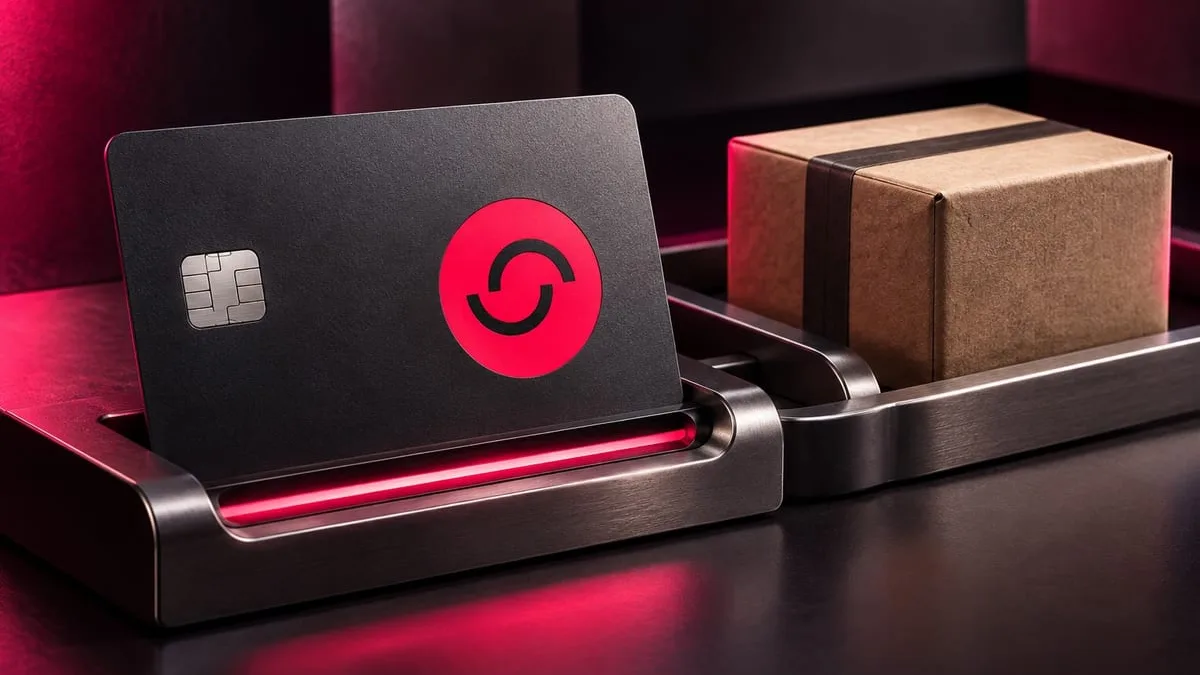
Cardano Card, the winner of the Cardano track at TOKEN2049 Origins in Singapore, demonstrated how one AI agent can hire another to purchase physical goods. The buyer specifies the product, budget, and delivery address, while Masumi escrow handles payment for the purchasing service.
An Amazon Purchase and a Budget Check
The team published results from testing conducted on October 7. One example involved a $1.32 purchase of Trident gum, charged to a real card. Cardano Preprod recorded the accompanying escrow funding, order result, and payment to the agent.
The service received 20 test USDM tokens through escrow, separate from the dollar amount charged to the card for the product.
A second test checked the spending limit. The buyer authorized a maximum of $10, but the prepared cart totaled $14.39. The purchase stopped, the card was not charged, and the locked test tokens returned to the buyer’s wallet.
The documentation lists the funding, result, and payment or refund transactions for both outcomes. Additional orders were recorded that evening, including purchases initiated through iMessage.
How Masumi Escrow Supports Amazon Orders
Cardano Card accepts requests from compatible agents through Masumi’s service interface. Each request includes a product description, a maximum dollar budget, and a U.S. delivery address.
The service returns payment terms, and the buyer locks funds in a Cardano smart contract. Cardano Card waits for confirmation before asking Agentcard to prepare the Amazon cart.
It then checks the cart against the approved budget and confirms checkout using the stored payment card. The order identifier becomes the task’s recorded result, with payment released under the escrow terms.
Amazon receives a card payment, while Cardano governs payment between the agents. The demonstrated escrow condition is tied to placing the order.
If the system cannot determine whether a purchase has already gone through, it stops for inspection. Each purchase is tied to a job identifier and saved before submission, helping prevent a retry after an interruption from creating a duplicate order.
Messaging Access and Cardano Mainnet Plans
The project includes interfaces for iMessage, WhatsApp, and Telegram. Users can request an item within a spending limit, then approve the escrow payment with a passkey, including through Face ID.
According to the documentation, purchases initiated through iMessage were completed during testing. Connected agents handled the payment process, cart preparation, and order result after the user supplied the request and approval.
Cardano Card operates on Preprod and is listed on Sokosumi. The team plans to introduce spending limits per caller and mainnet escrow using ADA and USDM.
The roadmap also includes crypto-funded single-use cards issued for individual purchases. Each order would receive a dedicated payment card, replacing the prototype’s use of one stored card across multiple tasks.